
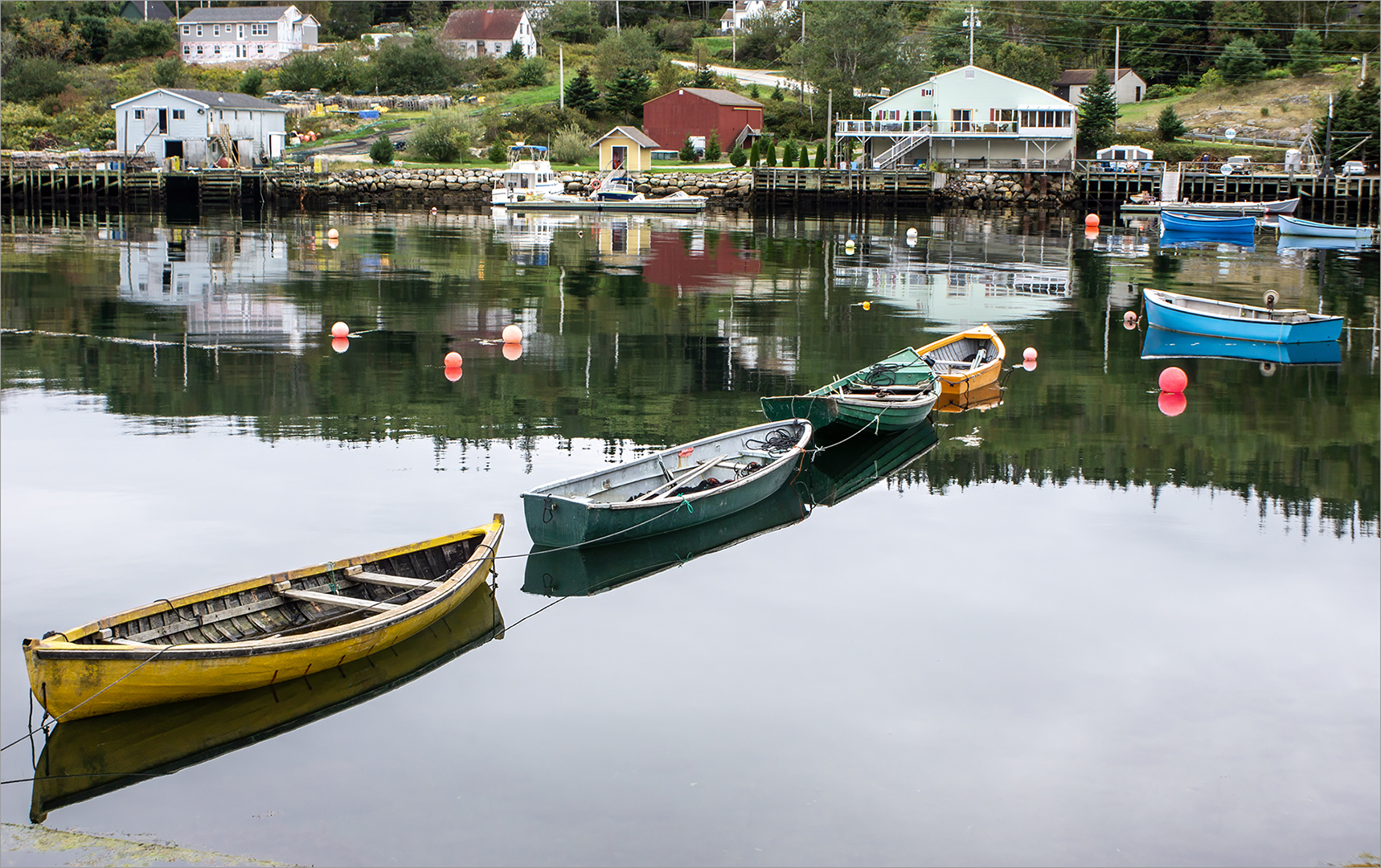
Photo Travel Entries
Any member may submit a maximum of two Prints and two Digital Images, in the Photo Travel competition in Print and Digital Image Divisions.
Print Size: Maximum size of print: 8.5″ X 12.0″. Mounts, if allowed, should not exceed the size of the print.
The competitors who accumulate the most points will receive the appropriate awards at the end of the year.
Entries that do not meet the definition of Photo Travel may be rejected.
In the event the judges disqualify an entry for not meeting the definition, the maker has the option to withdraw the second entry after the judging to avoid a low score for the competition.
If a maker’s Photo Travel image is disqualified, the maker may not submit extra entries (more than two images) in a subsequent competition.
Content guidance:
- If the image is predominantly or exclusively a land-, sea- or cityscape, these must include characteristic, distinctive and recognizable physical features, although it is not necessary that the image identify the exact location.
- Images that predominantly or exclusively depict people and their activities must illustrate a distinctive culture of a country, region, or continent.
- Images that predominantly or exclusively depict animal populations are allowed, if the animals are in their native environment and are characteristic of that country, region, or continent.
- Portraits or other close-ups of people or objects, in addition to meeting the above paragraphs as applicable, must include elements depicting some of the surrounding environment to make it obvious that the image was not taken in a studio setting.
- Images from events or activities arranged for photography, or of subjects directed or hired for photography, are not allowed.
- Highly distorted images, such as those produced by fish eye lenses, are NOT allowed.
- Time exposures are allowed, if they do not dominate the image as a special effect (star trails, for example, are a dominating effect).
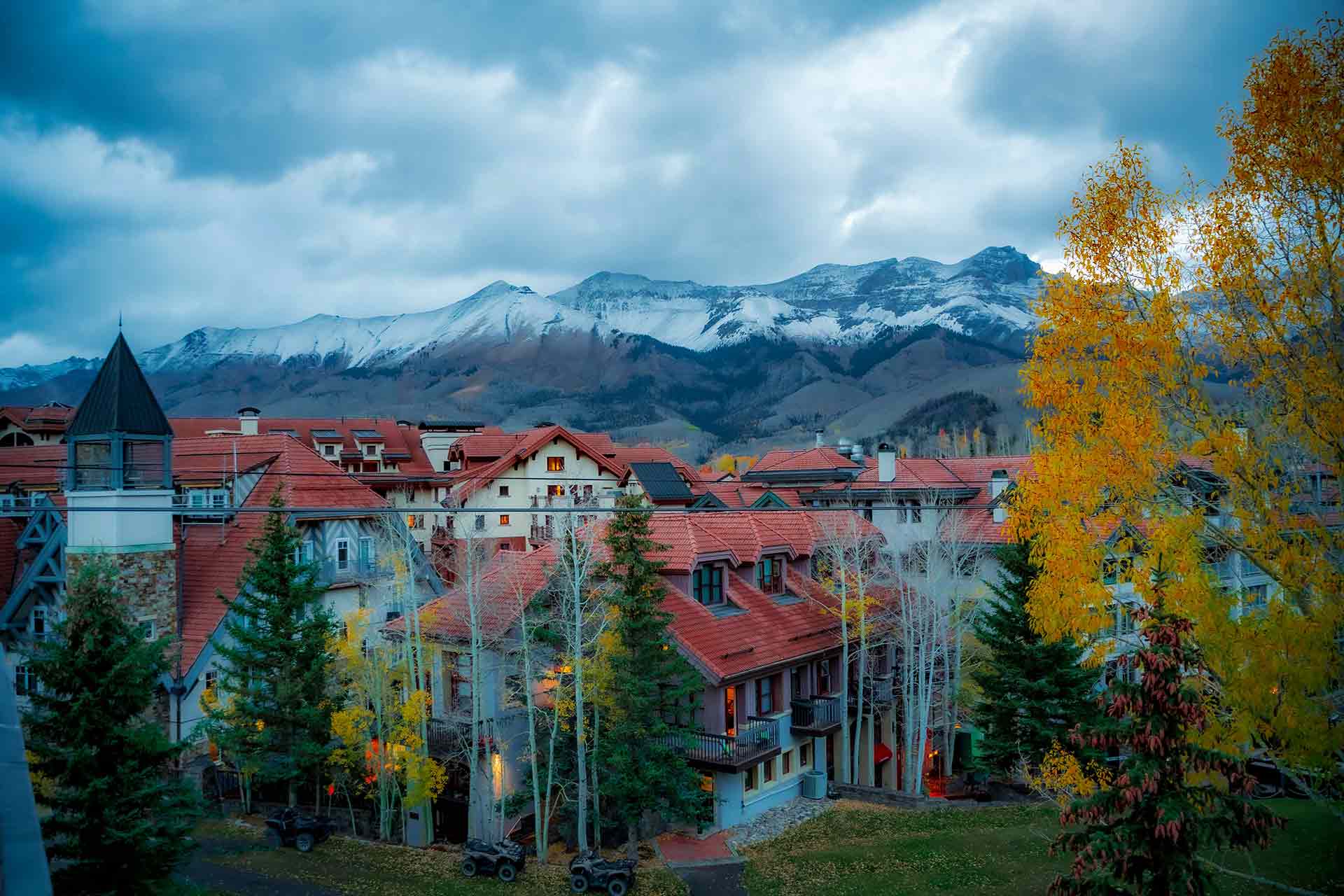
Editing guidance:
Processing or editing must be limited to making the image look as close to the original scene as possible, except that conversion to grayscale monochrome is allowed.
Allowed editing techniques:
- Cropping, straightening and perspective correction.
- Removal or correction of elements added by the camera or lens, such as dust spots, noise, chromatic aberration, and lens distortion.
- Global and selective adjustments such as brightness, hue, saturation, and contrast to restore the appearance of the original scene.
- Complete conversion of color images to grayscale monochrome.
- Blending of multiple images of the same subject and combining them in camera or with software (exposure blending or focus stacking);
- Image stitching, combining multiple images with overlapping fields of view that are taken consecutively (panoramas)
Editing techniques that are not allowed:
- Removing, adding to, moving, or changing any part of an image, except for cropping and straightening.
- Adding a vignette during processing.
- Blurring parts of the image during processing to hide elements in the original scene.
- Parts of the image, during processing, to hide elements in the original scene.
- All conversions other than to complete grayscale monochrome.
- Conversion of parts of an image to monochrome, or partial toning, desaturation, or over-saturation of color.